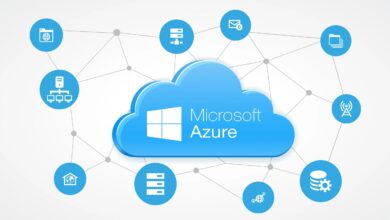
MS Azure is revolutionizing how businesses scale, innovate, and secure their digital future. With unmatched flexibility and global reach, it’s no wonder top enterprises are making the switch.






What Is MS Azure and Why It Matters

Microsoft Azure, commonly referred to as MS Azure, is a comprehensive cloud computing platform developed by Microsoft. Launched in 2010, it has rapidly evolved into one of the world’s leading cloud service providers, second only to Amazon Web Services (AWS) in market share. MS Azure offers a vast array of services, including computing, analytics, storage, networking, and machine learning, all delivered through a scalable, secure, and globally distributed infrastructure.
Core Components of MS Azure
At its foundation, MS Azure is built on three primary service models: Infrastructure as a Service (IaaS), Platform as a Service (PaaS), and Software as a Service (SaaS). These models allow businesses to choose how much control they want over their environments. For example, IaaS gives users full control over virtual machines and networks, while PaaS allows developers to build applications without managing the underlying infrastructure.
- Compute services like Virtual Machines and Azure Kubernetes Service (AKS)
- Storage solutions including Blob, File, Queue, and Table storage
- Networking tools such as Virtual Networks, Load Balancers, and Azure DNS
These components work together to provide a seamless cloud experience, enabling organizations to deploy applications quickly and efficiently.
Global Infrastructure and Data Centers
One of the standout features of MS Azure is its extensive global footprint. As of 2024, Microsoft operates over 60 cloud regions across 140 countries, making it one of the most geographically distributed cloud platforms. This global presence ensures low latency, high availability, and compliance with local data sovereignty laws.
“Azure’s global scale allows customers to run workloads where they need them, ensuring performance and regulatory compliance,” says Scott Guthrie, Executive Vice President of Cloud and AI at Microsoft.
Each region consists of one or more data centers connected with high-bandwidth, low-latency networking. This architecture supports disaster recovery, hybrid cloud deployments, and real-time data processing across continents.
Key Benefits of Using MS Azure
Organizations are increasingly turning to MS Azure not just for its technical capabilities, but for the strategic advantages it brings. From cost savings to innovation acceleration, the platform delivers tangible business value.
Cost Efficiency and Pay-as-You-Go Model
One of the most compelling reasons to adopt MS Azure is its flexible pricing model. Unlike traditional on-premises IT infrastructure, which requires significant upfront capital investment, MS Azure operates on a pay-as-you-go basis. This means businesses only pay for the resources they actually use.
- Reserved Instances offer up to 72% savings on virtual machines
- Hybrid Benefit allows Windows Server customers to use existing licenses in the cloud
- Cost Management tools provide detailed insights and budget alerts
According to a Microsoft Cost Management report, companies using Azure can reduce their IT operational costs by up to 40% compared to on-premises solutions.
Scalability and Performance
MS Azure enables businesses to scale resources up or down based on demand. Whether you’re handling a sudden spike in web traffic or running large-scale data analytics, Azure automatically adjusts to meet performance needs.
- Auto-scaling groups dynamically add or remove VMs
- Azure Functions supports serverless computing for event-driven workloads
- High-performance computing (HPC) clusters handle complex simulations
This elasticity ensures optimal performance without over-provisioning, making MS Azure ideal for startups and enterprises alike.
MS Azure vs. Competitors: A Comparative Analysis
While AWS and Google Cloud dominate headlines, MS Azure holds its own with unique strengths that appeal to enterprise clients, especially those already invested in the Microsoft ecosystem.
Azure vs. AWS: Where Azure Excels
Amazon Web Services (AWS) was first to market and remains the largest cloud provider. However, MS Azure has gained ground by focusing on hybrid cloud integration and enterprise relationships. For organizations using Microsoft products like Windows Server, SQL Server, or Office 365, Azure offers seamless integration and licensing benefits.
- Azure Hybrid Benefit reduces costs for Windows and SQL Server workloads
- Azure Arc enables management of on-premises, multi-cloud, and edge resources
- Stronger integration with Active Directory and Microsoft 365
According to Synergy Research Group, Azure captured 24% of the cloud infrastructure market in Q1 2024, closing the gap with AWS’s 32%.
Azure vs. Google Cloud: Enterprise Focus vs. Innovation
Google Cloud Platform (GCP) is known for its strengths in data analytics, AI, and open-source technologies. However, MS Azure outperforms GCP in enterprise adoption due to its robust support for legacy systems and hybrid environments.
- Azure has deeper partnerships with large enterprises and government agencies
- Superior support for .NET, SharePoint, and Dynamics 365
- More comprehensive compliance certifications (e.g., FedRAMP, HIPAA, GDPR)
While GCP leads in certain AI/ML tools, Azure’s AI services are rapidly catching up with offerings like Azure Cognitive Services and Azure Machine Learning.
Security and Compliance in MS Azure
In an era of increasing cyber threats and data breaches, security is a top priority for any cloud platform. MS Azure provides a multi-layered security approach that protects data at rest, in transit, and during processing.
Built-in Security Features
MS Azure comes equipped with a suite of native security tools designed to detect, prevent, and respond to threats. These include Azure Security Center (now part of Microsoft Defender for Cloud), Azure Firewall, and DDoS Protection.
- Microsoft Defender for Cloud offers unified security management and advanced threat protection
- Azure Key Vault secures cryptographic keys and secrets
- Azure Sentinel provides cloud-native SIEM and SOAR capabilities
These tools work together to provide end-to-end visibility and control over cloud environments.
Compliance and Certifications
MS Azure meets more compliance standards than any other cloud provider, making it ideal for regulated industries like finance, healthcare, and government. It supports over 140 compliance offerings, including ISO 27001, SOC 1/2/3, HIPAA, GDPR, and FedRAMP.
“Azure’s compliance portfolio gives us confidence that our data meets strict regulatory requirements,” says a CISO at a major European bank.
This extensive certification coverage reduces the burden on internal audit teams and accelerates time-to-compliance for new projects.
Innovation and AI Capabilities in MS Azure
MS Azure isn’t just about infrastructure—it’s a platform for innovation. With powerful AI, machine learning, and IoT tools, Azure empowers developers and data scientists to build intelligent applications.
Azure AI and Cognitive Services
Azure AI offers pre-built APIs that enable developers to add vision, speech, language, and decision-making capabilities to applications without deep AI expertise.
- Computer Vision API analyzes images and videos
- Text Analytics detects sentiment, key phrases, and entities
- Speech Services enable voice recognition and synthesis
These services are used by companies like BMW and Starbucks to enhance customer experiences and automate processes.
Azure Machine Learning Studio
For advanced users, Azure Machine Learning Studio provides a drag-and-drop interface for building, training, and deploying machine learning models. It supports popular frameworks like TensorFlow, PyTorch, and scikit-learn.
- Automated ML accelerates model development
- Model interpretability tools increase transparency
- Integration with GitHub and Azure DevOps streamlines MLOps
A case study from Microsoft’s customer success stories shows how a healthcare provider reduced patient readmission rates by 20% using Azure ML.
Hybrid and Multi-Cloud Strategies with MS Azure
Not all organizations are ready to go fully cloud-native. Many require a hybrid approach that combines on-premises infrastructure with cloud resources. MS Azure excels in this area with tools designed for seamless integration.
Azure Arc: Bridging On-Premises and Cloud
Azure Arc is a game-changer for hybrid environments. It extends Azure management to servers, Kubernetes clusters, and data services running anywhere—on-premises, at the edge, or in other clouds.
- Centralized governance and policy enforcement across environments
- Consistent deployment of Azure services outside Azure data centers
- Unified monitoring and security with Azure Monitor and Defender
This capability allows IT teams to manage heterogeneous infrastructures with a single pane of glass.
Disaster Recovery and Backup Solutions
MS Azure provides robust disaster recovery options through Azure Site Recovery and Azure Backup. These services ensure business continuity by replicating workloads to the cloud.
- Azure Site Recovery supports VMware, Hyper-V, and physical servers
- Backup retention policies range from daily to yearly archives
- Geo-redundant storage options protect against regional outages
According to a Gartner report, organizations using Azure for disaster recovery achieve 99.9% uptime and reduce recovery time objectives (RTO) by up to 80%.
Getting Started with MS Azure: A Practical Guide
Whether you’re a developer, IT administrator, or business leader, starting with MS Azure can seem overwhelming. However, Microsoft provides a clear onboarding path with free resources and guided learning.
Creating Your First Azure Account
New users can sign up for a free Azure account that includes $200 in credits and access to over 25 services for 12 months. The signup process is straightforward and requires only a valid email, phone number, and credit card (for verification).
- Visit azure.microsoft.com/free to get started
- Explore the Azure portal dashboard
- Use the Azure Advisor for optimization recommendations
This free tier is perfect for learning, testing, and small-scale projects.
Essential Tools and Services for Beginners
For newcomers, focusing on core services can accelerate the learning curve. Key tools include:
- Azure Virtual Machines for running Windows/Linux workloads
- Azure App Service for hosting web apps without managing infrastructure
- Azure Blob Storage for storing unstructured data like images and videos
- Azure CLI and PowerShell for automation
Microsoft Learn (learn.microsoft.com) offers free, interactive modules to help users gain hands-on experience with these services.
What is MS Azure used for?
MS Azure is used for a wide range of purposes, including hosting websites and applications, storing and analyzing data, running virtual machines, implementing AI and machine learning models, managing IoT devices, and enabling hybrid cloud environments. It serves industries from healthcare to finance to retail.
Is MS Azure free to use?
MS Azure offers a free tier with $200 in credits for new users and access to many services at no cost for 12 months. After the trial, users pay only for what they use. Some services remain free with usage limits.
How does MS Azure ensure data security?
MS Azure uses encryption for data at rest and in transit, multi-factor authentication, role-based access control (RBAC), and advanced threat detection via Microsoft Defender for Cloud. It also complies with over 140 global and industry-specific standards.
Can I run on-premises workloads on MS Azure?
Yes, MS Azure supports hybrid cloud scenarios through services like Azure Arc, Azure Stack, and Azure Site Recovery. These allow organizations to extend their on-premises infrastructure into the cloud seamlessly.
Which companies use MS Azure?
Major companies like BMW, Walmart, Starbucks, Unilever, and the UK National Health Service (NHS) use MS Azure for various workloads, including AI, data analytics, and enterprise applications.
MS Azure has firmly established itself as a leader in the cloud computing space. Its combination of global reach, enterprise-grade security, hybrid capabilities, and AI innovation makes it a powerful choice for organizations of all sizes. Whether you’re migrating legacy systems, building modern applications, or leveraging artificial intelligence, MS Azure provides the tools and infrastructure to succeed. As digital transformation accelerates, embracing platforms like MS Azure isn’t just an option—it’s a strategic imperative.
Further Reading: