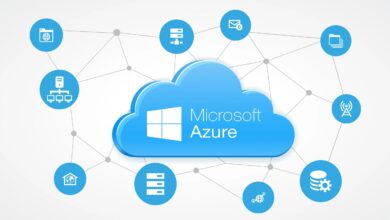
Welcome to the ultimate guide on the Azure Portal—your gateway to managing Microsoft’s cloud empire. Whether you’re a beginner or a seasoned pro, mastering this platform is essential for seamless cloud operations.




What Is the Azure Portal?

The Azure Portal is Microsoft’s web-based interface for managing cloud services and resources across the Azure ecosystem. It provides a centralized dashboard where users can deploy, configure, monitor, and manage virtual machines, storage accounts, networking components, databases, and more—all through an intuitive graphical user interface (GUI).
A Unified Management Experience
One of the standout aspects of the Azure Portal is its ability to unify complex cloud infrastructure into a single pane of glass. Instead of juggling multiple command-line tools or disparate management consoles, administrators and developers can access everything they need from one secure location.
- Access to over 200 Azure services
- Role-based access control (RBAC) integration
- Multi-tenancy support for enterprise environments
This unified experience significantly reduces operational overhead and enhances visibility across cloud deployments. According to Microsoft, organizations using the Azure Portal report up to 40% faster deployment times compared to CLI-only workflows.
How It Differs from CLI and PowerShell
While Azure CLI, PowerShell, and SDKs offer powerful automation capabilities, the Azure Portal excels in accessibility and ease of use. New users can quickly spin up resources without writing a single line of code. However, it’s important to note that the portal is not a replacement for scripting—it complements it.
“The Azure Portal is the control center for your cloud journey—designed for speed, simplicity, and scalability.” — Microsoft Azure Documentation
For example, creating a virtual machine via the portal involves just a few clicks and guided wizards, whereas CLI requires precise syntax and parameter knowledge. That said, for repetitive tasks, automation through scripts remains superior. The real power lies in combining both: using the portal for exploration and initial setup, then automating via Infrastructure as Code (IaC) tools like ARM templates or Terraform.
Navigating the Azure Portal Interface
Once you log in to the Azure Portal, you’re greeted with a clean, customizable dashboard. Understanding its layout is crucial for efficient navigation and productivity.
Dashboard and Hub Menu
The left-hand navigation bar—known as the Hub Menu—contains primary sections such as ‘Home’, ‘Resource groups’, ‘All services’, and ‘Marketplace’. From here, you can jump to any service, pin frequently used blades, or search for specific resources using the global search bar at the top.
- Customizable dashboard with drag-and-drop widgets
- Quick access to subscriptions, cost management, and alerts
- Integrated help and support center
You can personalize your dashboard by pinning key metrics like CPU usage, billing summaries, or active alerts. This level of customization makes it easier for teams to monitor critical KPIs in real time.
Blades, Panes, and Contextual Menus
In Azure terminology, a ‘blade’ is a panel that slides in from the right side of the screen, displaying details about a selected resource. These blades are context-sensitive, meaning the options change depending on what you’re viewing—be it a virtual machine, storage account, or app service.
For instance, when managing a VM, the blade will show tabs for ‘Overview’, ‘Monitoring’, ‘Networking’, ‘Extensions’, and ‘Access control (IAM)’. Each tab provides deep insights and configuration options without leaving the main interface.
This modular design ensures users aren’t overwhelmed with information while still having access to advanced settings when needed.
Core Features of the Azure Portal
The Azure Portal isn’t just a pretty interface—it’s packed with powerful features designed to streamline cloud management. Let’s explore some of the most essential ones.
Resource Creation and Deployment
One of the primary functions of the Azure Portal is deploying new resources. Whether it’s a Windows VM, a PostgreSQL database, or a Kubernetes cluster, the portal walks you through each step with guided wizards.
- Templates and quick-start options for common scenarios
- Validation checks during setup to prevent configuration errors
- Integration with Azure Marketplace for third-party solutions
For example, launching a pre-configured WordPress site is as simple as searching for ‘WordPress’ in the Marketplace, selecting a vendor, and filling out basic details like region and admin credentials. The entire process takes under five minutes.
Monitoring and Diagnostics
Effective cloud management requires constant visibility. The Azure Portal integrates deeply with Azure Monitor, Log Analytics, and Application Insights to provide real-time performance tracking.
You can view metrics such as disk latency, network throughput, and memory utilization directly from a resource’s blade. Additionally, custom dashboards allow you to aggregate data across multiple services for holistic monitoring.
“Proactive monitoring reduces downtime by up to 60% in cloud environments.” — Gartner Research
Alerts can be configured to notify teams via email, SMS, or webhook integrations when thresholds are breached—ensuring rapid response to potential issues.
Security and Identity Management in Azure Portal
Security is paramount in any cloud environment, and the Azure Portal offers robust tools to protect your infrastructure and data.
Role-Based Access Control (RBAC)
Rbac allows administrators to assign granular permissions based on job roles. Instead of giving full administrative access, you can grant limited rights—such as read-only access to a storage account or contributor rights to a specific resource group.
- Built-in roles like Owner, Contributor, and Reader
- Custom role creation for specialized needs
- Scope-based assignments (subscription, resource group, or individual resource)
This principle of least privilege minimizes the risk of accidental deletions or unauthorized changes. For example, a developer might have contributor access to a dev environment but only reader access to production.
Integration with Azure Active Directory (AAD)
All authentication in the Azure Portal flows through Azure AD, Microsoft’s identity and access management service. This enables single sign-on (SSO), multi-factor authentication (MFA), and conditional access policies.
Organizations can enforce rules like “block login from untrusted locations” or “require MFA for admin roles,” enhancing security without sacrificing usability. You can also integrate with on-premises Active Directory via Azure AD Connect for hybrid environments.
This tight integration ensures that every action taken in the portal is traceable to a specific user, aiding in compliance and auditing.
Cost Management and Optimization Tools
One of the biggest challenges in cloud computing is controlling costs. The Azure Portal includes comprehensive tools to track spending, forecast budgets, and identify waste.
Azure Cost Management + Billing
This built-in service provides detailed reports on resource consumption across subscriptions. You can break down costs by service, region, department, or tag, making it easier to allocate expenses accurately.
- Monthly budget alerts with customizable thresholds
- Forecasting tools that predict future spend
- Recommendations for reserved instances and savings plans
For example, if a virtual machine is underutilized (<10% CPU usage), the portal may suggest resizing it to a smaller, cheaper tier—potentially saving hundreds per month.
Advisor Recommendations
Azure Advisor is a personalized guidance engine that analyzes your usage patterns and offers optimization tips. It covers five pillars: cost, performance, high availability, security, and operational excellence.
Each recommendation includes an estimated monthly savings, effort required, and a direct link to implement the fix. Common suggestions include enabling auto-shutdown for non-production VMs, deleting unused disks, or upgrading to more secure configurations.
“Organizations using Azure Advisor reduce cloud waste by an average of 35%.” — Microsoft Case Studies
These actionable insights make it easier for teams to maintain efficient and secure environments without constant manual oversight.
Automation and Integration Capabilities
While the Azure Portal is GUI-driven, it supports deep integration with automation tools, allowing users to transition from manual operations to scalable, repeatable processes.
Exporting Templates for IaC
Every resource created in the portal can be exported as an ARM (Azure Resource Manager) template. This JSON-based format captures the exact configuration, enabling version control and deployment across environments.
For example, after setting up a staging environment manually, you can export the template and reuse it for production—ensuring consistency and reducing human error.
- Supports parameterization for dynamic values (e.g., VM size, location)
- Compatible with CI/CD pipelines via Azure DevOps or GitHub Actions
- Can be validated before deployment to catch errors early
This feature bridges the gap between visual configuration and Infrastructure as Code (IaC), empowering teams to adopt DevOps practices gradually.
Integration with Azure CLI and PowerShell
The Azure Portal includes an embedded Cloud Shell—a browser-based terminal that supports both Bash (for CLI) and PowerShell. This allows users to run commands directly from the portal without installing anything locally.
You can switch between GUI and command-line workflows seamlessly. For instance, after identifying a misconfigured network security group in the portal, you can open Cloud Shell and fix it with a single CLI command.
This hybrid approach enhances flexibility, especially for troubleshooting or bulk operations that would be tedious through the UI alone.
Best Practices for Using the Azure Portal
To get the most out of the Azure Portal, it’s important to follow industry best practices that promote efficiency, security, and scalability.
Organize with Resource Groups
Resource groups are logical containers that help organize related resources. Instead of scattering VMs, databases, and networks across subscriptions, group them by project, environment (dev/test/prod), or department.
- Simplify management and permissions
- Enable bulk operations (e.g., delete all dev resources at once)
- Improve cost tracking and reporting
For example, a team working on a customer portal project can create a resource group called ‘CustomerPortal-Prod’ containing all associated services. This makes it easier to manage lifecycle, backups, and access control.
Use Tags for Governance and Tracking
Tags are key-value pairs that add metadata to resources. Common tags include ‘Environment=Production’, ‘Owner=DevTeam’, or ‘CostCenter=Marketing’.
When combined with Azure Policy and Cost Management, tags enable powerful automation and governance. For instance, you can create a policy that enforces encryption on all resources tagged ‘Environment=Production’.
“Teams using tagging strategies reduce compliance violations by 50%.” — Microsoft Compliance Report
Additionally, finance teams can use tags to generate chargeback reports, allocating cloud costs to specific business units.
Common Challenges and How to Overcome Them
Despite its power, users often face challenges when adopting the Azure Portal. Recognizing these pitfalls and addressing them early can save time and prevent costly mistakes.
Information Overload and Navigation Complexity
With over 200 services available, new users can feel overwhelmed. The sheer number of options and settings can lead to confusion or incorrect configurations.
Solution: Start with curated learning paths on Microsoft Learn. Use the ‘Favorites’ section in the portal to bookmark frequently used services. Leverage the search bar to quickly locate resources instead of navigating manually.
Accidental Deletions or Misconfigurations
Because the portal makes it easy to modify resources, there’s a risk of accidental changes—especially in production environments.
- Enable resource locks to prevent deletion
- Implement change control processes using Azure Blueprints or Policy
- Use activity logs to audit who made what change and when
For example, applying a ‘CanNotDelete’ lock on a production database ensures it can’t be removed—even by administrators—unless the lock is explicitly removed first.
This layered approach to protection is critical for maintaining stability in mission-critical systems.
What is the Azure Portal used for?
The Azure Portal is used to manage all aspects of Microsoft Azure cloud services, including deploying virtual machines, configuring networks, monitoring performance, managing identities, and controlling costs—all through a web-based interface.
Is the Azure Portal free to use?
Yes, access to the Azure Portal itself is free. However, the resources you create and manage within it (like VMs, storage, and databases) incur costs based on usage. You can use the portal’s cost management tools to monitor and optimize spending.
How do I secure my Azure Portal environment?
Secure your Azure Portal by enabling multi-factor authentication (MFA), using role-based access control (RBAC), applying resource locks, enforcing conditional access policies via Azure AD, and regularly reviewing activity logs for suspicious behavior.
Can I automate tasks in the Azure Portal?
Yes, while the portal is GUI-driven, you can automate tasks by exporting ARM templates, using Azure CLI or PowerShell in Cloud Shell, integrating with Azure Automation, or leveraging DevOps pipelines for repeatable deployments.
What are the alternatives to the Azure Portal?
Alternatives include Azure CLI, Azure PowerShell, Azure SDKs for developers, and third-party tools like Terraform or Visual Studio Code with Azure extensions. However, the Azure Portal remains the most accessible entry point for most users.
The Azure Portal is far more than just a dashboard—it’s a powerful, secure, and intelligent platform for managing your entire cloud infrastructure. From intuitive resource deployment to advanced cost optimization and security controls, it empowers teams to operate efficiently at scale. By mastering its features, adopting best practices, and integrating with automation tools, you can unlock the full potential of Microsoft Azure. Whether you’re just starting out or looking to refine your skills, the Azure Portal should be at the heart of your cloud strategy.
Further Reading: