Want to build, test, and deploy software faster and smarter? Azure DevOps is your ultimate toolkit for modern software delivery. Packed with powerful features, it brings teams together and streamlines every stage of development.
What Is Azure DevOps and Why It Matters

Azure DevOps is a comprehensive suite of development tools by Microsoft designed to support the entire software development lifecycle. From planning and coding to testing, deployment, and monitoring, it provides a unified platform for developers, testers, project managers, and operations teams to collaborate efficiently. Whether you’re working in a small startup or a large enterprise, Azure DevOps offers the flexibility and scalability needed to deliver high-quality software at speed.
Core Components of Azure DevOps
The platform is built around five major services, each serving a distinct purpose in the development pipeline:
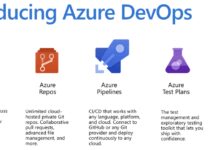
- Azure Repos: Git repositories or Team Foundation Version Control (TFVC) for source code management.
- Azure Pipelines: CI/CD (Continuous Integration and Continuous Delivery) for automating builds and deployments across multiple platforms.
- Azure Boards: Agile planning tools like Kanban boards, backlogs, and sprint planning to manage work efficiently.
- Azure Test Plans: Manual and exploratory testing tools to ensure software quality.
- Azure Artifacts: Package management for sharing and consuming libraries across projects.
Together, these services form a cohesive ecosystem that supports DevOps practices, enabling faster feedback loops, improved collaboration, and consistent delivery.
How Azure DevOps Fits into the DevOps Culture
DevOps is not just a set of tools—it’s a cultural shift that emphasizes collaboration, automation, measurement, and sharing (CAMS). Azure DevOps supports this culture by providing tools that automate repetitive tasks, enable real-time tracking of work, and integrate seamlessly with third-party services like GitHub, Jenkins, and Docker. According to Microsoft’s official documentation, organizations using Azure DevOps report up to a 30% increase in deployment frequency and a 50% reduction in lead time for changes (Microsoft Learn).
“Azure DevOps bridges the gap between development and operations, making it easier to deliver value to customers faster and more reliably.” — Microsoft DevOps Guide
Azure Repos: Mastering Source Control
At the heart of any software project is source code, and Azure Repos provides a robust, secure, and scalable solution for managing it. Whether you prefer Git or the centralized TFVC model, Azure Repos supports both, though Git is the recommended and more widely used option.
Git Integration and Branching Strategies
Azure Repos offers full-featured Git support, including pull requests, branch policies, and code reviews. Teams can implement branching strategies like GitFlow or GitHub Flow to manage feature development, releases, and hotfixes. For example, using branch policies, you can enforce mandatory code reviews and build validation before merging code into the main branch—critical for maintaining code quality.
You can also integrate Azure Repos with local Git clients or IDEs like Visual Studio, VS Code, or JetBrains Rider. This seamless integration allows developers to work in their preferred environment while still benefiting from cloud-based collaboration and version control.
Security and Access Control in Repos
Security is a top priority in Azure DevOps. Azure Repos allows fine-grained access control through Azure Active Directory (AAD) integration. You can define permissions at the repository, branch, or even file level, ensuring that only authorized users can make changes. Additionally, features like branch policies and required reviewers help prevent unauthorized or low-quality code from entering the main codebase.
For compliance-heavy industries, Azure Repos supports audit logs and retention policies, making it easier to meet regulatory requirements like GDPR or HIPAA.
Azure Pipelines: Automating CI/CD Like a Pro
One of the most powerful aspects of Azure DevOps is Azure Pipelines, which enables Continuous Integration and Continuous Delivery (CI/CD). This service automates the process of building, testing, and deploying applications across a wide range of platforms—including Windows, Linux, macOS, Kubernetes, and even serverless environments.
Setting Up Your First CI Pipeline
Creating a CI pipeline in Azure DevOps is straightforward. You start by connecting your source code repository (Azure Repos or GitHub), then define a YAML or visual pipeline that specifies the build steps. For example, a typical .NET application might include steps to restore NuGet packages, compile the code, run unit tests, and publish artifacts.
Here’s a simple YAML snippet for a .NET Core build:
trigger:
 - main

pool:
 vmImage: 'ubuntu-latest'

steps:
- task: DotNetCoreCLI@2
 inputs:
 command: 'build'
 projects: '**/*.csproj'
Once configured, every push to the main branch triggers an automatic build, ensuring that integration issues are caught early.
Implementing CD with Multi-Stage Deployments
Continuous Delivery takes automation a step further by deploying code to staging or production environments automatically. Azure Pipelines supports multi-stage pipelines, allowing you to define separate stages for development, testing, and production. Each stage can have approval gates, manual interventions, or automated tests to ensure safe deployments.
For example, you can configure a pipeline to deploy to a staging environment first, run automated UI tests, and then require a manual approval before deploying to production. This approach reduces risk while maintaining speed.
Integration with Azure App Service, AKS (Azure Kubernetes Service), and other cloud platforms makes deployment seamless. You can also use deployment groups for on-premises or hybrid scenarios.
“With Azure Pipelines, teams can deploy multiple times a day with confidence, knowing that every change is tested and traceable.” — Azure DevOps Documentation
Azure Boards: Agile Project Management Made Easy
Great code starts with great planning. Azure Boards provides a suite of Agile tools that help teams plan, track, and discuss work across the development lifecycle. Whether you follow Scrum, Kanban, or a hybrid methodology, Azure Boards adapts to your workflow.
Using Work Items and Backlogs Effectively
Work items are the building blocks of Azure Boards. They include user stories, tasks, bugs, features, and epics. Each work item can be assigned to a team member, tagged with metadata, and linked to code commits or builds. This traceability ensures that every piece of work is accounted for and connected to the code that implements it.
Backlogs allow teams to prioritize work at different levels—portfolio, product, and sprint. You can drag and drop items to reorder priorities, estimate effort using story points, and track progress through burndown charts.
Kanban Boards and Sprint Planning
The Kanban board in Azure Boards provides a visual representation of work in progress. Columns represent workflow stages (e.g., To Do, In Progress, Done), and cards represent work items. Teams can set work-in-progress (WIP) limits to avoid bottlenecks and improve flow efficiency.
For Scrum teams, sprint planning is fully supported. You can define sprints, assign work items to sprints, and conduct daily stand-ups using the task board. After the sprint, velocity charts and retrospective tools help teams reflect and improve.
Integration with Microsoft Teams and email notifications keeps everyone informed and aligned.
Azure Test Plans: Ensuring Quality at Speed
In a fast-paced DevOps environment, testing can’t be an afterthought. Azure Test Plans provides tools for both manual and exploratory testing, ensuring that quality is built into every release.
Manual Testing and Test Suites
Azure Test Plans allows you to create test cases and organize them into test suites. Testers can run these cases step-by-step, log results, and attach screenshots or videos when defects are found. This structured approach improves test coverage and makes it easier to reproduce issues.
You can also link test cases to user stories or requirements, ensuring that every feature is validated before release.
Exploratory Testing and Feedback
Beyond scripted tests, Azure Test Plans supports exploratory testing—where testers freely interact with the application to uncover hidden bugs. The Test & Feedback extension for browsers and mobile devices allows testers to record sessions, capture feedback, and submit bugs directly from the app interface.
This real-time feedback loop is invaluable for catching usability issues and edge cases that automated tests might miss.
“Quality is everyone’s responsibility. Azure Test Plans empowers teams to test early, test often, and deliver with confidence.” — Microsoft Azure Blog
Azure Artifacts: Streamlining Package Management
Modern applications rely on reusable components and libraries. Azure Artifacts simplifies the management and sharing of these packages across teams and projects.
Hosting NuGet, npm, and Maven Packages
Azure Artifacts supports popular package formats including NuGet (.NET), npm (Node.js), Maven (Java), and Python (PyPI). You can create private feeds to store internal packages or connect to public feeds like npmjs.org or nuget.org.
For example, a shared logging library used across multiple microservices can be published to a private feed. Other teams can then consume it by adding the feed to their project’s package manager configuration.
Integration with CI/CD Pipelines
Azure Artifacts integrates seamlessly with Azure Pipelines. You can configure your build pipeline to publish packages automatically after a successful build. Similarly, release pipelines can pull the latest package versions before deployment.
This end-to-end automation ensures that teams always use the correct and tested versions of dependencies, reducing the risk of version conflicts or broken builds.
Integrations and Extensibility of Azure DevOps
No tool works in isolation. Azure DevOps is designed to integrate with a vast ecosystem of third-party tools and services, making it a flexible choice for diverse tech stacks.
Connecting with GitHub and Jenkins
You don’t have to host your code in Azure Repos. Azure Pipelines can trigger builds directly from GitHub repositories, including public and private ones. This allows teams to use GitHub for code hosting while leveraging Azure’s powerful CI/CD capabilities.
Similarly, Azure Pipelines can integrate with Jenkins through webhooks or plugins, enabling hybrid CI/CD workflows.
Marketplace Extensions and Custom Tools
The Azure DevOps Marketplace offers thousands of free and paid extensions—from Slack notifications and SonarQube integration to deployment dashboards and security scanners. You can also build and publish your own extensions using the Azure DevOps SDK.
This extensibility ensures that Azure DevOps can adapt to your unique needs, whether you’re using Terraform for infrastructure as code or Selenium for automated testing.
Best Practices for Using Azure DevOps Effectively
To get the most out of Azure DevOps, it’s important to follow proven best practices that enhance collaboration, security, and efficiency.
Adopt Infrastructure as Code (IaC)
Use Azure Pipelines to deploy infrastructure using tools like Azure Resource Manager (ARM) templates, Bicep, or Terraform. This ensures that your environments are consistent, version-controlled, and reproducible.
Enforce Security and Compliance
Enable branch policies, require pull request reviews, and integrate security scanning tools (like Whitesource or Snyk) into your pipelines. Use Azure Policy to enforce compliance rules across your Azure resources.
Monitor and Optimize Pipeline Performance
Regularly review pipeline run times, failure rates, and resource usage. Use parallel jobs, caching, and self-hosted agents to optimize performance. Set up alerts for failed builds or deployments.
What is Azure DevOps?
Azure DevOps is a Microsoft platform that provides a suite of tools for software development, including source control, CI/CD, project management, testing, and package management. It supports end-to-end DevOps practices to help teams deliver software faster and more reliably.
How much does Azure DevOps cost?
Azure DevOps offers a free tier for small teams (up to 5 users), with paid plans starting at $6/user/month for advanced features. Some services like Azure Pipelines also offer free minutes for open-source projects and small teams.
Can I use Azure DevOps with GitHub?
Yes, Azure Pipelines can connect directly to GitHub repositories to trigger builds and deployments. You can also use GitHub Actions alongside Azure DevOps for hybrid workflows.
Is Azure DevOps the same as Azure DevOps Server?
No. Azure DevOps refers to the cloud-based service (formerly Visual Studio Team Services), while Azure DevOps Server is the on-premises version. Both offer similar features but differ in deployment and maintenance.
How do I get started with Azure DevOps?
Visit dev.azure.com to create an organization. From there, you can create projects, invite team members, and start using Repos, Pipelines, Boards, and other services.
Azure DevOps is more than just a tool—it’s a complete ecosystem that empowers teams to embrace DevOps principles and deliver software with speed, quality, and confidence. From agile planning with Azure Boards to automated CI/CD with Azure Pipelines, every component is designed to streamline collaboration and reduce friction in the development process. Whether you’re a developer, tester, or project manager, Azure DevOps provides the tools you need to succeed in today’s fast-paced software landscape. By following best practices and leveraging its powerful integrations, your team can achieve faster delivery, higher quality, and greater innovation.
Further Reading:
